
The 2027 Wills Eye Conference features invited speakers who are world-renowned researchers, clinician-scientists, and thought leaders to provide practical insight, sharp thinking, and direct access to the people moving ophthalmology forward.

Research Symposium
Dr. Michael Abramoff is a fellowship-trained retina specialist, computer scientist, and entrepreneur. He is an IEEE Fellow, and an ARVO Gold Fellow. In 1989-1990, he did a postdoc at the RIKEN neural networks research lab in Japan. As an expert in machine learning and image analysis, Dr. Abramoff was one of the original developers of a widely-used open-source image analysis app, ImageJ. His research has been continuously funded since 2004 by National Eye Institute, the Veterans Administration, the Beckman Foundation and other federal, state and philanthropic funding agencies in the U.S. and Europe.
Dr. Abramoff is the Founder and Executive Chairman of Digital Diagnostics, the Autonomous AI diagnostics company that was the first in any field of medicine to get FDA clearance for an autonomous AI. In primary care, the AI system can instantaneously diagnose diabetic retinopathy and diabetic macular edema at the point of care. This device, IDX-DR, is now part of ADA’s Standard Diabetes Care and Dr. Abramoff has also developed an ethical foundation for autonomous AI that was used during the design, validation, and regulatory and payment pathways for autonomous AI. As the author of over 300 peer-reviewed publications in this field, he has been cited over 35,000 times, and is the inventor on 17 issued patents and many patent applications. Dr. Abramoff has mentored dozens of engineering graduate students, ophthalmology residents, and retina fellows. His passion is to use AI to improve the affordability, accessibility and quality of care.

Arthur J. Bedell, MD Lecture
Dr. Chan is an Associate Professor of Ophthalmology at the University of Toronto, Director of Ophthalmology Fellowships, and the President of the Canadian Cornea Society. She teaches fellows as part of the Cornea fellowship program and is the Medical Director of the Eye Bank of Canada, Ontario Division. After her ophthalmology residency at the University of Toronto, she completed her cornea fellowship at the Cincinnati Eye Institute with Dr. Edward Holland. Dr. Chan has published over 180 peer-reviewed papers, received the AAO Senior Achievement Award in 2024, is the Cornea Editor Emeritus for the ASCRS EyeWorld magazine, Cornea Section Editor for the Canadian Journal of Ophthalmology, and the Founding Editor of Canadian Eye Care Today. In 2023, Dr. Chan was included in The Ophthalmologist Power List, recognizing the top 100 most influential global figures in ophthalmology.

E. Howard Bedrossian, MD Lecture
Dr. Dagi has pioneered the development of a number of novel surgical techniques in the field of complex strabismus. She has published broadly and lectured nationally and internationally in this field.
She is the Chair of the Adult Strabismus Task Force for the American Association of Pediatric Ophthalmology and Strabismus and is the lead author on the Preferred Practice Plan for Adult Strabismus for the American Academy of Ophthalmology.
She was the first female ophthalmologist invited to join the Association for Research in Strabismus, familiarly know as “Squint” Club. This international society of leaders in the field of strabismus surgery was inaugurated in 1949 and invites no more than one new member yearly.
Dr. Dagi has a particular interest and expertise in the treatment of complex strabismus and double vision resulting from cranial nerve palsies, high myopia and aging of the eyes, as well as thyroid eye disease. She has pioneered the development of a number of novel surgical techniques in this realm.
As a pediatric ophthalmologist, she treats complex strabismus disorders in children, ptosis in children, and provides consultation to the craniofacial service at Boston Children’s Hospital.

Richard A. Ellis, MD Lecture
Tommy Edison is a public speaker, broadcaster, and online personality known for his unique perspective. Blind since birth due to an underdeveloped optic nerve, Tommy spent most of his radio career as a traffic reporter, becoming a familiar voice throughout his home state of Connecticut. He later became known for the “Blind Film Critic,” where he reviewed movies from the viewpoint of someone who has never seen. His YouTube channel, “The Tommy Edison Experience,” has introduced millions of viewers to candid conversations about everyday life as a blind person.
Today, Tommy is the host of “The Music Series,” exploring music history, legendary artists, and
iconic songs. Whether speaking to a live audience or sharing stories online, he has a way of making
people think differently about experiences and assumptions they often take for granted.

Bernard C. Gettes, MD Symposium
Dr. Nicole Fram is a board-certified, fellowship-trained ophthalmologist and cataract doctor in Los Angeles, with an expertise in refractive and complex cataract surgery, anterior segment reconstruction and corneal transplantation. She is the managing partner at Advanced Vision Care in Los Angeles, CA. In addition, she is the co-fellowship director of the Masket Foundation anterior segment fellowship.
Dr. Fram is an adjunct assistant professor at the John A. Moran Eye Institute at the University of Utah. She completed her ophthalmology residency at the renowned Wills Eye Hospital, where she served as co-chief resident, and went on to complete a fellowship in Cornea and External Disease at the Francis I. Proctor Foundation, University of California, San Francisco (UCSF).
Academically, she has authored numerous peer-reviewed articles and textbook chapters in the areas of cataracts and corneal disease. Dr. Fram served as the past chair of the Cataract Subcommittee, American Academy of Ophthalmology (AAO), is an active member of the American Society of Cataract and Refractive Surgeons (ASCRS) cataract and nominations committees and is editor of the Cataract Consultation Section of the Journal of Cataract and Refractive Surgery (JCRS).
Dr. Fram is passionate about being an early adopter in implementing innovative medical and surgical techniques to advance the field of Ophthalmology. She participates in multiple clinical trials and investigator-initiated research in the areas of cataract and corneal disease. Dr. Fram lectures both nationally and internationally and enjoys teaching innovative surgical techniques to colleagues, residents and fellows.

Irving H. Leopold, MD Lecture
Dr. Jeffrey Goldberg is Professor and Chair of Ophthalmology and Director of the Byers Eye Institute and the Spencer Center for Vision Research at Stanford University, and since 2020, a member of the National Academy of Medicine. His clinical effort is focused on patients in need of medical or surgical intervention for glaucoma and other retinal and optic nerve diseases, as well as cataract. His NIH- and foundation-funded research is directed at neuroprotection and regeneration of retinal ganglion cells and the optic nerve, a major unmet need in glaucoma and other optic neuropathies, and his laboratory is developing novel molecular, stem cell, and nanotherapeutics approaches for eye repair.
Dr. Goldberg received his B.S. magna cum laude from Yale University, and his M.D. and Ph.D. from Stanford University, where he made significant discoveries about the failure of optic nerve regeneration. He did his clinical training in ophthalmology and then in glaucoma at the Bascom Palmer Eye Institute with a Heed Foundation fellowship. He was named the 2010 Scientist of the Year by the Hope For Vision foundation, and received the Cogan award from the Association for Research in Vision and Ophthalmology in 2012. He was elected in 2010 to the American Society of Clinical Investigation, an honorary society of physician scientists, in 2021 to the American Ophthalmological Society, and in 2024 to the Glaucoma Research Society.
Dr. Goldberg has experience bringing together broad, collaborative research programs in the lab and in the clinic; examples include large consortia funded under the National Eye Institute’s Audacious Goals Initiative, and starting in 2024, under the ARPA-H total human eye allotransplantation (THEA) program. In addition, he has developed significant expertise with designing and implementing FDA clinical trials for optic nerve neuroprotection and regeneration. His goal is to translate scientific discoveries to patient therapies.
Research Symposium
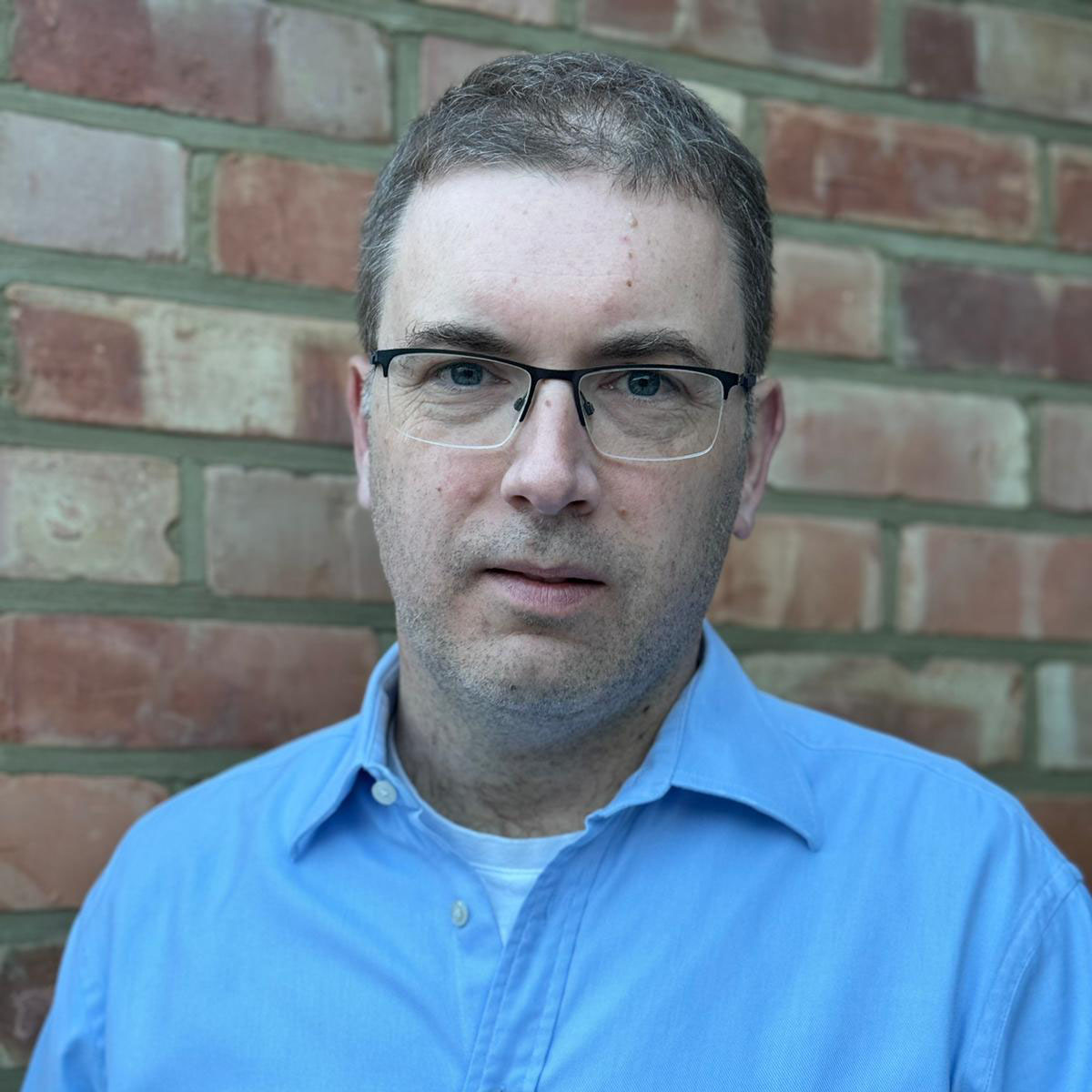
Pearse Keane is Professor of Artificial Medical Intelligence at UCL Institute of Ophthalmology, and a consultant ophthalmologist at Moorfields Eye Hospital, London. He is a UK Research & Innovation (UKRI) Future Leaders Fellow and a National Institute for Health Research (NIHR) Senior Investigator. He is originally from Ireland and received his medical degree from University College Dublin (UCD), graduating in 2002.
In 2016, he initiated a collaboration between Moorfields Eye Hospital and Google DeepMind, with the aim of developing artificial intelligence (AI) algorithms for the earlier detection and treatment of retinal disease. In August 2018, the first results of this collaboration were published in the journal, Nature Medicine. In 2023, he led the development of RETFound, the first foundation model in ophthalmology, published in Nature and made available open source.
In October 2019, he was included on the Evening Standard Progress1000 list of most influential Londoners and in June 2020, he was profiled in The Economist. In 2025, he received the Gabor Medal from the Royal Society) in the United Kingdom and was elected to the National Academy of Medicine in the United States.

Kathleen Santa Maria Lecture
Henna Pryor, CSP is a dynamic Workplace Performance Expert who speaks
and writes about performance mindset, interpersonal dynamics, high-
impact communication, and embracing bumps in a world that keeps
optimizing for smoothness.
She is a regular Expert Columnist for Inc. Magazine, 18x award-winning
author of Good Awkward, and an in-demand global keynote speaker. Her
playful personality and insightful talks blend 2 decades of working with
corporate leaders and teams with a fresh, science-based approach to
taking more strategic risks and boosting social and mental fitness for
success at work. Her clients call her their “secret weapon for impossible
change,” an honor she wears proudly.
In addition to speaking for TEDx, SXSW, and being frequently tapped by
media outlets like Business.com, FastCompany, INSIDER, HuffPost, NBC,
FOX, and more, she’s a SUCCESS Magazine Woman of Influence, LinkedIn
Learning Instructor, and Glassdoor WorkLife Pro. Her book was also named
a Kirkus Reviews’ Best Book of the Year.

Research Symposium
Dr. Ross is the Nina C. McCall Associate Professor of Ophthalmology and Neurology. She is fellowship‑trained in Neuro‑Ophthalmology and Glaucoma, and, in addition to maintaining a busy clinical and surgical practice, she leads an NIH‑funded research laboratory. Her expertise centers on combining animal and human models of optic nerve degeneration with therapeutic interventions to translate laboratory findings into clinical applications. After observing in clinic that poor treatment adherence plays a critical role in irreversible vision loss from glaucoma, Dr. Ross devoted much of her recent work to evaluating gene‑delivery–based therapies for glaucoma and other optic neuropathies. These approaches have demonstrated neuroprotective effects in mouse models of glaucoma, traumatic optic neuropathy, compressive optic neuropathy, and inflammatory optic neuropathy (citations). Another clinically driven observation, that genetics significantly affects patient outcomes after a glaucoma diagnosis, led her to active involvement in the Primary Open‑Angle African Ancestry Glaucoma Genetics Study (POAAGG). Her goal is to understand how potentially causal risk variants influence glaucoma susceptibility and progression.
She is currently NIH‑funded to investigate how the WDR36 risk allele affects retinal ganglion cell (RGC) vulnerability and neurodegenerative decline. Her research pipeline includes in vivo animal models as well as CRISPR‑engineered induced pluripotent stem cell–derived human RGCs, the cells essential for vision and lost in optic nerve diseases. This platform supports validation of risk‑allele pathogenicity and testing of potential therapeutic strategies, bringing translational applications closer to clinical use. Dr. Ross is also a collaborator on a broader, multidisciplinary project with the School of Engineering aimed at integrating artificial intelligence to improve glaucoma risk stratification, predict disease progression, and evaluate additional glaucoma‑associated genetic variants using her human‑cell‑based system.
Her previous honors include the Young Clinician Scientist Award from the American Glaucoma Society, the Thomas and Susan Carlow Young Investigator Award from the North American Neuro‑Ophthalmology Society, the Emerging Leaders Award from Women in Ophthalmology, the Leadership Award from the National Medical Association, and the University of Pennsylvania Patent Award.

Research Symposium
Donald J. Zack, M.D., Ph.D., is the Guerrieri Professor of Genetic Engineering and Molecular Ophthalmology and co-director of the Center for Stem Cells and Ocular Regenerative Medicine (STORM) at the Wilmer Eye Institute. He is also a professor in the departments of Molecular Biology and Genetics, Neuroscience, and the Institute of Genetic Medicine. His lab studies the control of gene expression in retinal ganglion cells, the cells whose death in glaucoma leads to visual loss and potentially blindness. He also studies the mechanisms by which ganglion cells die in glaucoma, and are developing novel methods to slow down, and hopefully prevent, ganglion cell death in glaucoma. Dr. Zack and his colleagues are beginning studies to promote the differentiation of stem cells into retinal ganglion cells, in the hope that someday that might offer the possibility of restoring vision to glaucoma patients who have already lost significant vision due to ganglion cell death.
Dr. Zack received his M.D. degree and Ph.D. in molecular immunology from the Albert Einstein College of Medicine. After a year of internship, he completed his residency in ophthalmology at the Massachusetts Eye and Ear Infirmary at Harvard University. He then completed fellowship training in glaucoma and molecular biology at the Johns Hopkins University School of Medicine, and joined the faculty in 1991. Dr. Zack has published over 160 peer-reviewed journal articles and has won a number of awards, including the Alcon Research Award.
Research Symposium
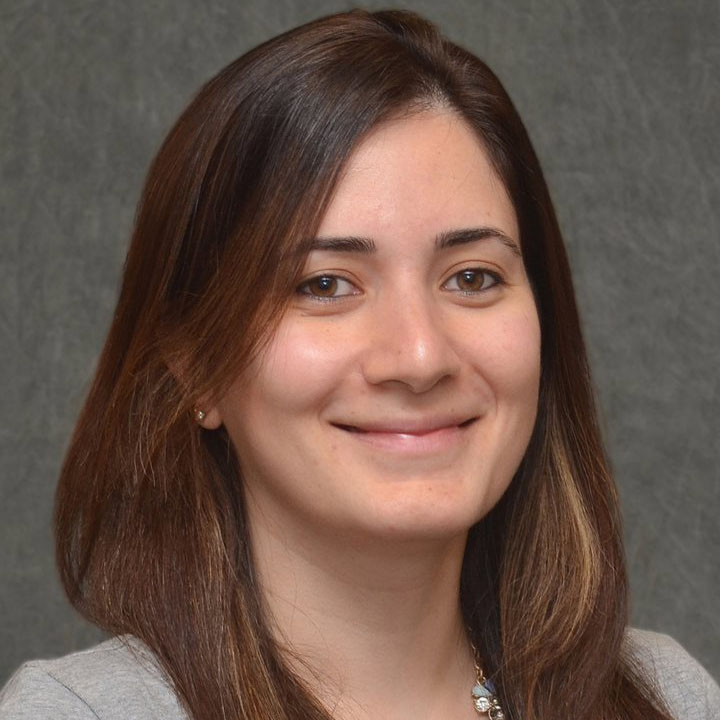
Dr. Nazlee Zebardast is a clinician scientist and full-time member of the Glaucoma Service at Mass Eye and Ear. She specializes in the treatment of adult glaucoma and combined glaucoma and cataracts, with a particular interest in minimally invasive glaucoma surgeries (MIGS).
She has received numerous awards and honors for her academic and research accomplishments and has published in top ophthalmology journals. She has made significant contributions to global epidemiologic research having established the Indian Family Angle Closure Evaluation with colleagues at Aravind Eye Institute in Southern India. Among other findings, this study determined that siblings of individuals with known angle closure have a greater than 1 in 3 risk of developing the condition. Additionally, she has worked with a many large datasets to understand the prevalence of eye disease and its impact.
Her current research focuses on machine-learning methods to characterize and define novel glaucoma endophenotypes to understand the genetic underpinning of vision loss in this blinding disease. Her goal is to develop novel imaging and genomics-based precision medicine screening and diagnostic tools to pre-symptomatically identify patients at high risk of functional vision loss and progression while avoiding unnecessary care of those unlikely to worsen.